
Asphalt Paving & Concrete in California, CA
Local Paving Expertise
Across California's diverse regions—from the Bay Area to Southern California—finding a reliable paving contractor matters. This page covers what you need to know about asphalt paving, concrete paving, and repair work, plus permit rules that vary by city. Whether you're in a hillside neighborhood like the San Francisco foothills or a flat valley area, local expertise makes a real difference.
How We Work
Every paving project follows a proven process. We start by assessing your surface—checking for cracks, drainage issues, or structural problems—then recommend the best solution for your climate and use.
What's Involved
From inspection to final seal coat, we handle each step with care. Your project moves through clear phases so you know what to expect.
Site Assessment
We inspect your driveway, parking lot, or road surface. Check for potholes, cracking patterns, drainage trouble, and underlying wear.
Permit & Plan
Depending on your location and scope, permits may be required—especially in LA, Bay Area, and San Diego cities. We guide you through local requirements.
Prep & Base Work
We remove old material, level the ground, and set a solid foundation. Proper base work prevents early cracking and drainage failure.
Install & Compact
Fresh asphalt or concrete goes down and gets properly compacted. Heat and precision ensure a tight, durable surface.
Finish & Stripe
Edge work, striping, and cleanup complete your project. Sealcoating on asphalt protects against UV and water damage.
Inspection & Sign-Off
Final walk-through confirms quality and code compliance. Local inspectors verify work meets all California building standards.
You'll always know what's happening next—and who to contact.
Our Services
We offer asphalt paving, concrete work, and repair across residential, commercial, and municipal applications.
Driveway Paving
New driveways or replacement work. Asphalt gives a clean finish; concrete lasts longer with minimal upkeep. Both handle California's heat cycles and coastal salt air when installed right.
- Residential new build or rebuild
- Permit handling for your city
- Slope & drainage to code
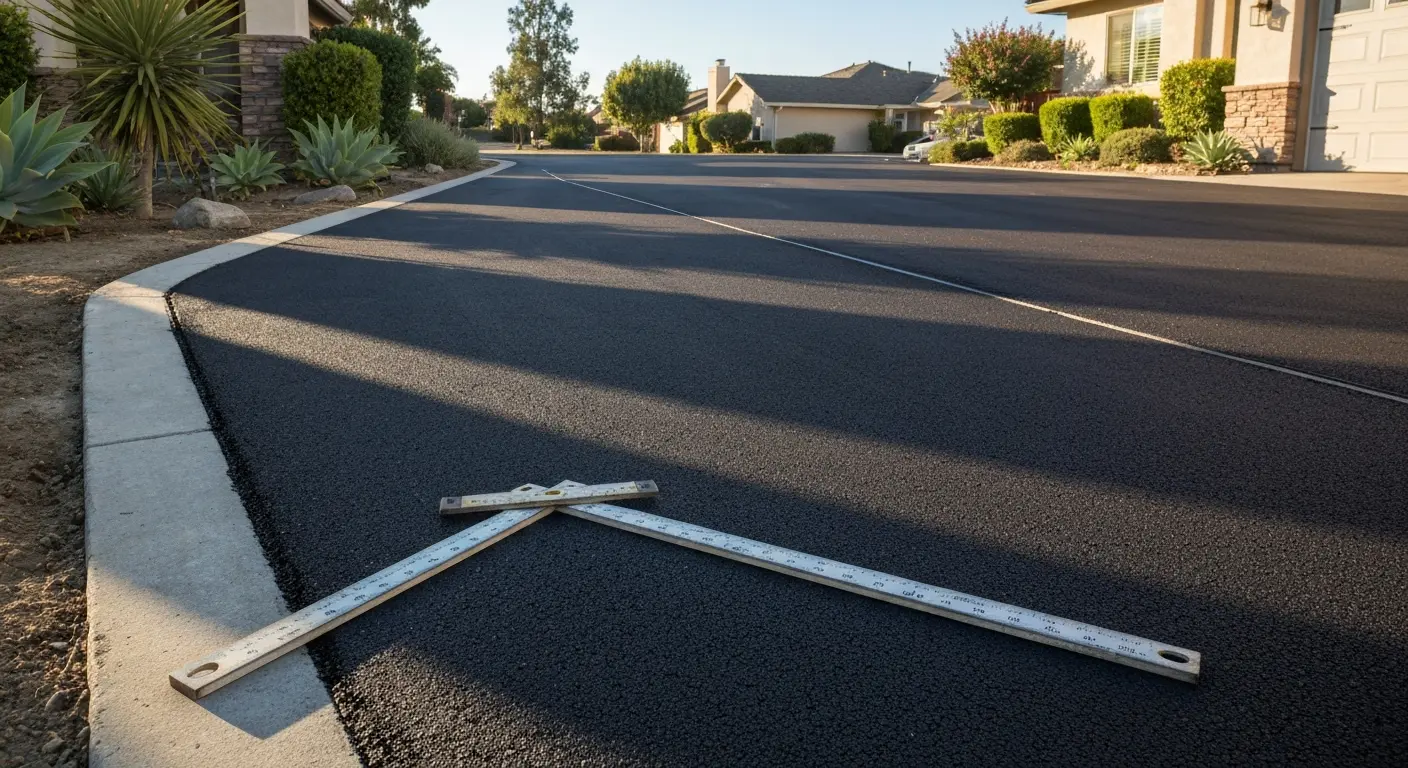
Quality driveway installation in California neighborhoods
Parking Lot Paving
Commercial lots need durable surfaces that handle vehicle loads and California sun. Asphalt stays flexible in heat; concrete resists wear on high-traffic strips.
- New construction or full replacement
- ADA-compliant access ramps
- Drainage & grading for slope
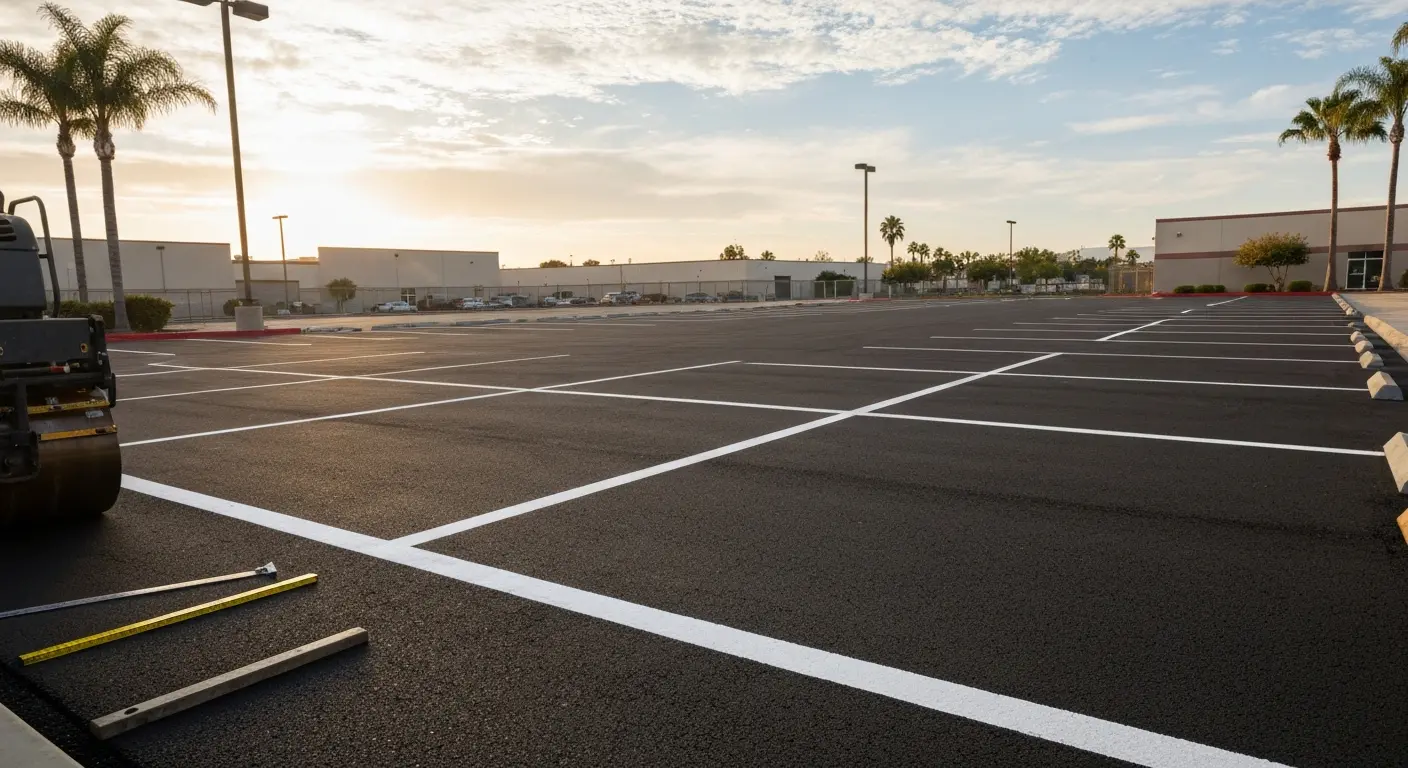
Commercial parking surface installation across California
Asphalt Seal Coating
Sealing protects asphalt from UV rays, rain, and oil spills. California's sun fades and degrades unprotected surfaces fast. Regular seal coating extends life by years.
- Water-based, eco-friendly materials
- Residential & commercial applications
- Crack filling before seal
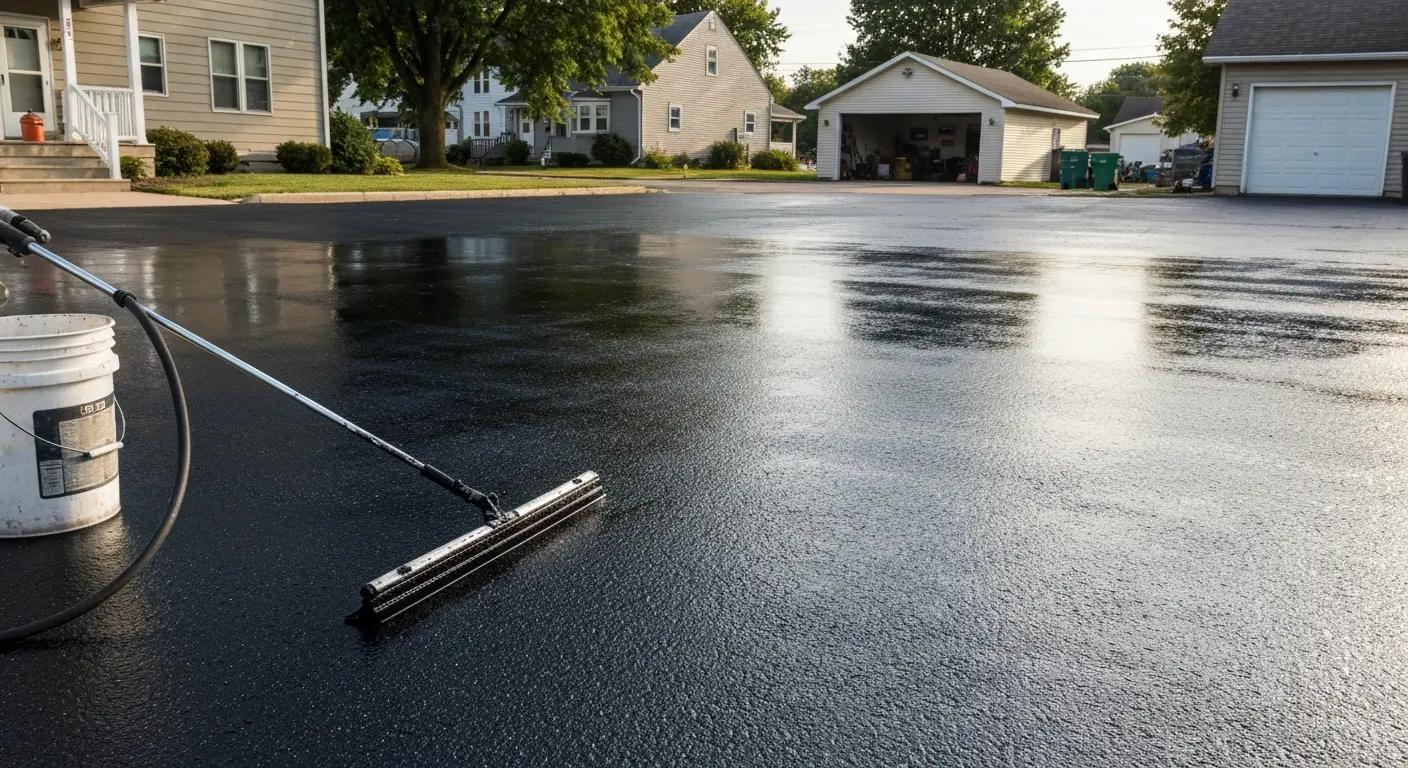
Professional seal coating for long-lasting asphalt protection
Pothole Repair & Patching
Quick fixes stop small problems from growing. Cold-patch or hot-pour asphalt fills holes; concrete overlays repair worn zones in parking areas.
- Same-day or scheduled repair
- Edge restoration & shaping
- Minimal disruption to traffic
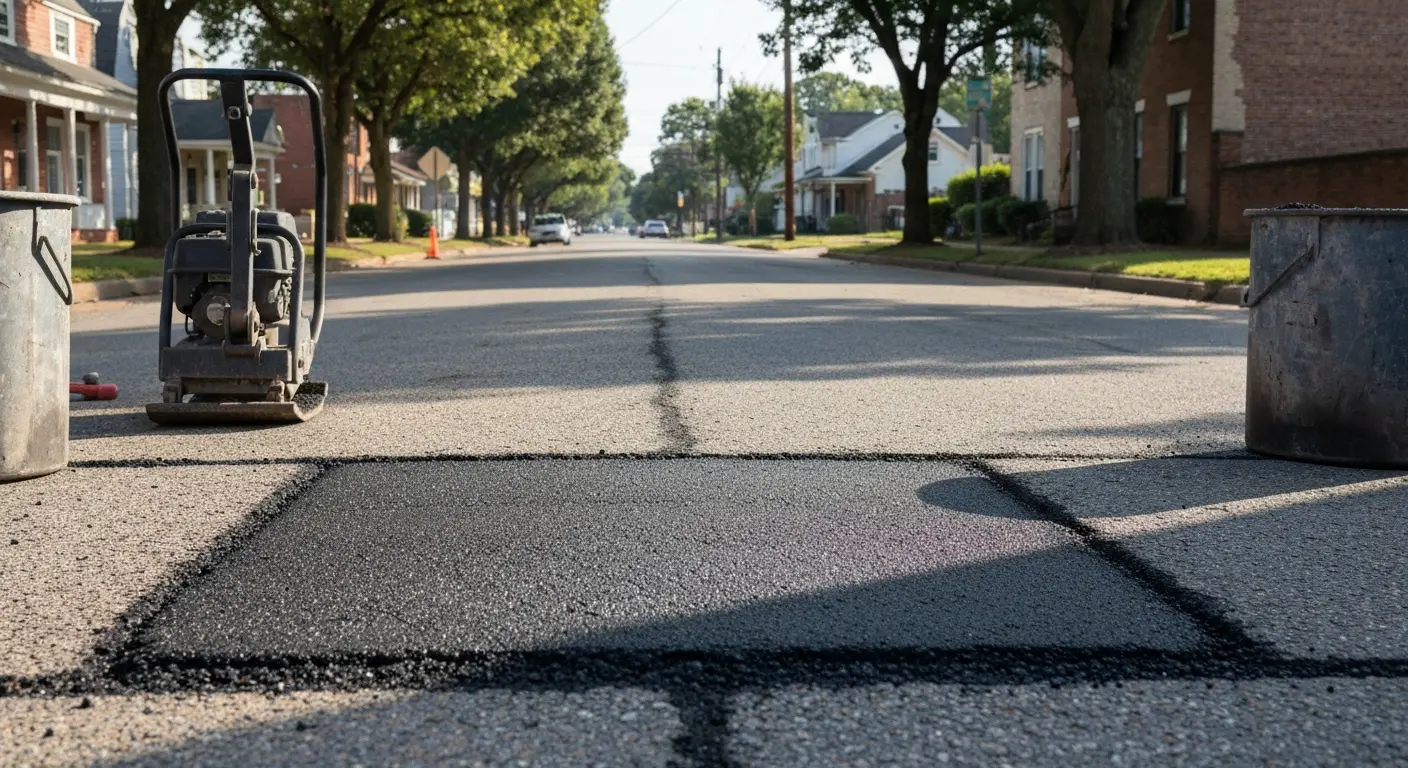
Quick pothole repair to restore safe driving surfaces
Why Local Expertise Matters
California's paving challenges are unique. Coastal areas face salt spray and moisture. Inland regions see extreme heat and winter rains. Hillside properties have grade and drainage concerns. We know these regional pressures and build surfaces to handle them.
California Building Codes & Permits
Permit rules vary across California cities. Los Angeles, San Francisco, San Diego, and Orange County each have different width requirements, slope limits, and right-of-way rules. We verify requirements before work starts to avoid costly delays or rework.
Most driveway work on private property doesn't require a permit in many cities—but approaching work, curb cuts, and sidewalk work do. Always check your local code before starting.
Climate & Material Choice
Asphalt flexes better in temperature swings; concrete resists wear longer but needs proper slope for water runoff. We recommend based on your site, traffic load, and local weather patterns.
Hillside & Grade Challenges
Properties in foothills or steep neighborhoods need careful grading. Los Angeles limits driveway slopes to under 12.5% for safety. Poor drainage leads to washout and foundation problems.
500+ projects completed across California.
From Bay Area residential to Southern California commercial work, we've navigated regional codes and delivered surfaces built to last in California's climate.
Coverage Area
We serve paving contractors and property owners across California. Whether you're in a major city or a smaller community, we bring the same focus on quality, code compliance, and durability.
Service Areas
We work throughout California, including:
- Bay Area: San Jose, San Francisco, Oakland, Fremont, Berkeley
- Southern California: Los Angeles, Orange County, San Diego, Pasadena, Santa Clarita
- Central Valley: Sacramento, Fresno, Stockton
- Coastal Cities: Thousand Oaks, Santa Cruz, Ventura
Your location shapes material choice, permitting needs, and surface lifespan. We understand regional differences and design accordingly.
Frequently Asked Questions
Do I need a permit for driveway or parking lot paving in California?
Permit requirements vary by city. Most private driveway work doesn't need a permit, but any work in the public right-of-way (curb, apron, sidewalk) typically does. Los Angeles, Palo Alto, Berkeley, and other cities have specific slope, width, and approach rules. Check your local building department before starting.
What's the difference between asphalt and concrete paving?
Asphalt is flexible, less expensive upfront, and fast to install—but needs regular seal coating and maintenance every few years. Concrete costs more to install, lasts longer with minimal upkeep, and resists oil stains better. For California's heat, asphalt flexes with temperature change; concrete can crack on hillsides if not properly graded.
What is seal coating and why do I need it?
Seal coating is a protective layer applied to asphalt. It shields against UV rays, rain, and oil spills—extending asphalt life by years. California's intense sun degrades unprotected asphalt quickly. We recommend water-based, environmentally friendly seal coats that comply with California standards.
How does California climate affect paving choices?
California's heat cycles, coastal salt air, and variable rainfall require durable design. Inland areas see extreme temperature swings; coastal zones face salt spray. Hillside properties need careful grading and drainage. We choose materials and slope to handle your specific regional climate.
What if my property is on a steep hill or hillside neighborhood?
Hillside driveways need careful grading. Los Angeles limits slopes to under 12.5%. We assess your grade, design proper drainage, and choose asphalt or concrete based on slope and future movement risk. Poor grading causes washout, erosion, and structural failure.
How long does asphalt paving last in California?
With proper maintenance—regular seal coating and crack repair—asphalt typically lasts 25–30 years in California. Concrete lasts longer but requires good drainage and proper installation. Climate, traffic load, and maintenance habits affect longevity.
DISCOVER WHAT OUR CUSTOMERS HAVE TO SAY ABOUT US
REVIEWS
proudly serving these areas
California, CA
Concord, CA
Napa, CA
Sacramento, CA
San Jose, CA
Vacaville, CA
READY TO take the next step?
get a free quote TODAY!
QUICK LINKS
our services
service areas
operating HOURS
Mon: 8:00 am - 8:00 pm
Tue: 8:00 am - 8:00 pm
Wed: 8:00 am - 8:00 pm
Thu: 8:00 am - 8:00 pm
Fri: 8:00 am - 8:00 pm
Sat: 8:00 am - 8:00 pm
Sun: 9:00 am - 5:00 pm